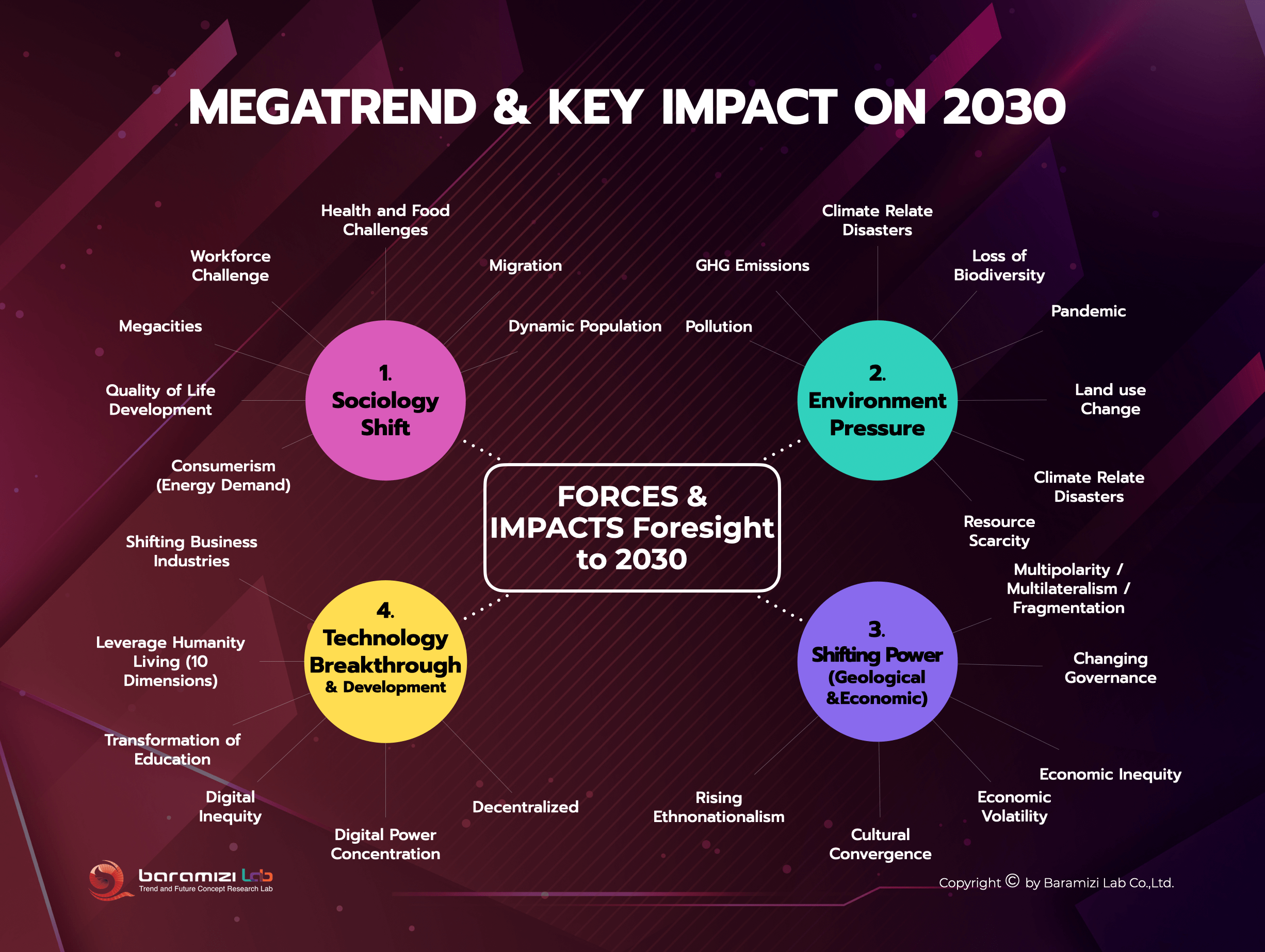
Entrepreneurship is always a reflection of the moment it is in, and shaped by the technology available, social and economic conditions, the attitudes of people towards risk, and the problems that need solving. The future of the startup industry in 2026/27 is being shaped by a unique combination that includes powerful new technologies that have dramatically reduced the costs of starting an enterprise, a developing international funding system, as well as some truly huge problems with climate, health, and infrastructure that are drawing the attention of entrepreneurs. Here are the ten startup and entrepreneurship trends driving global growth into 2026/27.
1. AI greatly reduces the cost of Starting A BusinessThe hurdle to creating an effective product has decreased sharply. AI tools can now manage significant portions of software design, design, marketing copy, customer support, and financial modeling which was previously requiring significant capital or a large team to start. A small group with limited budgets can construct a functioning prototype, start a business presence, and begin to acquire customers in a fraction of the time it took five years before. This is driving a flood of faster-moving, smaller companies and increasing competition in all areas as well as increasing the accessibility of entrepreneurship to a more diverse group of people.
2. The Solo Founder and Micro-Startups Take OffClosely linked to the reduction in startup costs due to AI is the increasing number of founders who are solo and micro-startups. These are businesses founded and managed by just 1 or 2 people who would have required 10 people a decade years ago. AI handles customer service, generates content, creates code, and handles routine operations, with a single founder who focuses on strategy, relationships, and product direction. Some of the fastest-growing businesses in 2026/27 are extraordinarily small-sized operations generating significant revenues and without the staffing that has traditionally been ascribed to scale. The concept of what a startup needs to look like is being rewritten.
3. Climate Tech Attracts Record Entrepreneurial InterestThe intersection of urgent global demand and a large amount of capital has led to climate technology becoming one of the fastest-growing regions of start-up activity globally. Green hydrogen, energy storage, sustainable agriculture, carbon capture infrastructure for climate adaptation and the software platforms needed to handle the transition to renewable energy are all attracting founders investors on a massive scale. Governments supporting the sector with commitments to procurement and policy support have reduced risk in early-stage investments in strategies that render climate technology becoming more attractive in comparison with other deep tech categories. The idea that this is where genuinely important problems are being solved is attracting both capital and talent.
4. Emerging Markets Provide More Internationally Important StartupsThe location of entrepreneurship has been changing. Startup infrastructures across Southeast Asia, Latin America, Africa, and South Asia have matured considerably and are now producing businesses that aren't just local variations of Western models, but truly original responses to the specific conditions they face in the markets. Fintech catering to the unbanked as well as agritech focused on the issue of food security, as well as health tech building infrastructure where traditional systems do not exist have all spawned large-scale businesses. International investors who previously focused narrowly on Silicon Valley, London, as well as a handful of other renowned hubs are paying more attention to the development happening and being developed in Nairobi, Lagos, Jakarta, and Bogota.
5. Vertical AI Startups Discover a Strong Product-Market FitThe initial wave of AI excitement brought about a wide number of horizontal tools competing with broadly comparable capabilities. The most durable option is developing into vertical AI startups, which create very specialized AI applications specifically for certain fields or workflows. Legal document analysis, medical imaging interpretation, monitoring of construction sites and financial compliance automation and optimization of agricultural yields are just a few areas where AI applications that are based on domain-specific information and designed to meet the specific needs of a specific user are finding strong product-market compatibility and a real chance to compete with generic competitors that are larger in size.
6. Revenue-Based Financing Offers An Alternative To Venture CapitalEvery startup is not suited with the business model that is based on venture capital, with its implicit requirements for rapid growth and eventually exit. Revenue-based lending, in which investors offer capital in exchange in exchange for a portion of the future revenue, not equity, has seen a significant increase in popularity as an alternative funding mechanism. It's ideally suited to growing and profitable companies that do not need or desire the dilution and pressure of traditional VC. The maturation of this model is part of a broader diversification of the funding landscape, making an entrepreneurial model viable for a broad number of types of companies and entrepreneurs.
7. Community-led growth is a replacement for traditional marketingThe financial aspects of paid customer acquisition have been increasingly difficult as the cost of digital advertising has increased, and trust among consumers in traditional marketing has eroded. The most efficient growth strategy for a growing number of startups by 2026/27 involves building genuine communities around their products, which will turn early customers into advocates, contributors, in addition to distribution channels. Community-led growth requires a different type of investment in terms of relationships, content and the willingness to create something people genuinely want to be a part of. But it builds customer loyalty and organic acquisition that the paid channels are unable to replicate.
8. The Health And Longevity Tech Attracts Serious CapitalInterest in the extension of the longevity of healthy people has moved from the fringes of Silicon Valley obsession into a legitimate and rapidly growing area of startup activity. Innovations in biomedical research, the development of diagnostics, personalized medicine as well as the technology infrastructure that allows for monitoring and intervening in the aging process are all attracting substantial capital. Consumer health startups providing personalised nutrition, hormone optimisation diagnostics for preventative purposes, as well as cognitive tools are seeing vast and increasing markets among populations willing to invest to improve their long-term health.
9. Regulatory Technology Grows As Compliance Complexity BoostsThe regulatory environment for companies across healthcare, financial and other services the environment, data privacy, environmental reporting, and employment is growing more complicated in the majority of major markets. There is a growing need for technology that will help companies comply with their obligations in a timely manner. Regtech startups building tools for automated reporting, live monitoring of regulators Risk management, audit trail generation are growing quickly working in close collaboration with regulators themselves to shape what compliant solutions are. Compliance burden, which is often seen as a cost only, is now a source of legitimate business opportunities.
10. Purpose-driven entrepreneurship attracts the best TalentThe most able people entering this year's workforce have more options than anyone in the past and a significant proportion of them are opting to take on problems that they think need to be addressed rather than merely optimizing the compensation. Startups that address the most pressing issues in health, education the climate, financial inclusion and infrastructure are beating commercial enterprises for top talent when they can create a mission that is aligned with market conditions. Entrepreneurs who can present a compelling reason why the company is not just about the return on investment are discovering that purpose is not just an ethos statement, but an actual recruiting and retention benefit.
The startup landscape of 2026/27 will be more diverse and easily accessible. It's also more focused on tackling the real problems than in past times in the development of business. There are tools for entrepreneurs have never been more effective, and the capital is available to invest in innovative concepts, while being more selective than during the peak of the era of easy money, is still significant. For anyone with a genuine issue to be solved and a determination to make something of the issue, the current conditions are better than they've ever been. To find additional info, explore the best canadaview.org/ and get trusted analysis.
 The Top 10 Online Retail Developments Changing The Way We Buy In The Years Ahead
Shopping online is so ubiquitous in everyday life that it is difficult to remember how long ago it was viewed as a novelty or a convenience limited to certain product categories. The future of e-commerce goes beyond just a medium, but an essential component of the way retail operates, how brands are developed and the way consumer expectations are formed. This sector continues to evolve rapidly, driven by technology shifts in consumer behavior with increasing competition and the ever-present pressure on every entity in the marketplace to justify their position within an increasingly competitive market. Here are ten of the most important e-commerce trends that are changing the way people shop online from 2026/27.
1. AI Personalization Transforms the Shopping ExperienceArtificial intelligence's application to e-commerce's personalisation has gone well beyond basic recommendation engines that suggest products based on previous purchases. AI systems for 2026/27 are creating dynamic, in-real-time models of the individual's shopping preferences that adjust to the context, time of day, device, browsing behaviour and the signals that are gathered from the digital landscape. The result is an experience that is genuinely tailored rather than generically specific. For retailers, the impact of advanced personalisation on conversion rates and average order value and retention of customers is significant enough to warrant AI investing in this field has become a crucial factor in competitiveness as opposed to a distinguishing factor.
2. Social Commerce Becomes A Primary Discovery ChannelThe integration of shop functionality directly to the social networks has developed to become a significant commerce channel independently. Consumers are able to discover, evaluate shopping for and purchasing items without leaving their social feeds with the help of recommendations from their creators or shoppable content. live commerce events which combine entertainment with direct buying. The method, initially developed on an enormous scale in China but is now established through Western markets. For brands, the result is that social marketing is no longer primarily a brand marketing exercise but rather a revenue stream that needs the same quality of business as every other aspect of retail enterprise.
3. Ultra-Fast Delivery Rakes the Bar For LogisticsExpectations of customers regarding delivery speeds continue to grow. It is becoming increasingly commonplace in the urban marketplace and the pressure to narrow the gap between order and receipt is driving significant investment into fulfilment infrastructure, micro-warehousing positioned closer to demand centers, autonomous delivery vehicles and drone delivery services which are moving from trial to operating in a greater range of locations. Smaller retailers are finding that achieving these demands on their own is becoming complicated, leading to the consolidation of fulfilment platforms and third-party logistics service providers that can meet the infrastructure investment required. The environmental impacts of speedy deliveries are coming under more scrutiny, along with the commercial rivalries.
4. Recommerce and The Circular Economy Reshape RetailThe market for second-hand, refurbished and used items has been growing at a faster rate than retail across a variety of product categories. Consumers' demand for lower prices with on the main page a lesser environmental footprint also the desire to purchase items that are no longer available new are driving the expansion of peer-to?peer platforms for resales, the resale programs of brands that are operated by them, and special resellers of fashion, electronic, furniture, and sporting goods. Brands are investing in their own resales and refurbishment programs to take advantage of second-hand markets and to sustain relationships with clients who are choosing secondhand over new. The stigma formerly associated with buying used goods across many segments has gone away in the younger age group.
5. Augmented Reality Reducing The Uncertainty Of Online ShoppingOne of the most enduring limitations of online shopping relative to physical stores has been the difficulty of evaluating the product before making a purchase. Augmented reality is solving this in specific categories with sufficient maturity to impact purchasing behavior and return rates in a significant way. Trying on eyewear, clothing and cosmetics on the spot setting furniture and items in a space with a smartphone camera or examining the product at a high size in context prior to purchasing are all possibilities that are expanding from impressive demonstrations to typical features that are available on all major platforms as well as brand sites. The categories where fit, size, as well as appearance in setting are making the biggest effect on sales and conversion.
6. Subscription Commerce Goes Beyond ConvenienceSubscription-based models in ecommerce have advanced beyond the simple notion of regular replenishment consumables. The most popular subscription models in 2026/27 are based on curation, community, and the ongoing value that justifies continued payment rather than the locking-in mechanisms that were prevalent in earlier models. Customers are now significantly proficient in assessing the worth of subscriptions and cancellation rates penalize businesses that are based on inertia instead of genuine long-term benefit. For retailers too, the economics of subscriptions, like higher cost per year, more predictable revenue and more solid customer relationships are appealing when the core value proposition is enough to be able to generate true loyalty.
7. Cross-Border Electronic Commerce Grows and Gets ComplexThe capability to purchase from any retailer in the world has brought enormous marketplace opportunities as well as operational challenges relating to customs return, duties, localisation as well as consumer protection compliance. Online commerce that crosses borders is increasing as retailers and consumers expand their reach past domestic markets, yet the regulatory complexity is increasing in parallel, with a number of jurisdictions implementing digital services tax and safety standards for products, and consumer rights rules that apply to international sellers. The retailers succeeding in cross-border markets are those that invest in localisation, compliance infrastructure as well as the logistics infrastructure that international retailing requires.
8. Voice And Conversational Commerce Find their Use in a variety of casesVoice-based shopping, long regarded as a transformative method that always failed to fulfill that prediction and is now finding more authentic adoption in certain well-defined application scenarios. Reordering consumables regularly purchased or adding items to shopping lists, and reviewing order status are among the activities where the use of voice offers significant advantages over screen-based alternatives. AI-powered shopping assistants for conversation, operated via chat interfaces and not than voice, are proving more flexible in helping shoppers navigate complex purchase decisions through comparison of options, as well as provide personalized recommendations in the form of a conversation that is better for purchases that are considered than conventional search and browse.
9. Sustainability claims are subject to greater scrutiny And RegulationThe interest of consumers in the environmental and ethical issues of purchasing online is high but also is the skepticism of the green claims that brands make. Greenwashing regulations are becoming increasingly stringent across major markets, and includes the requirement of substantiated claims, clarified labelling and transparency about practices in the supply chain that make ambiguous sustainability statements increasingly legally unsafe. Retailers who have invested in real environmental improvements to their operations and supply chains are discovering that demonstrably certified sustainability credentials are growing into an important difference in their business to the growing segment of consumers who are prepared to act on their stated environmental values when reliable information can be accessed to justify their decisions.
10. Payment Innovation Continues To Reduce FrictionThe checkout experience, historically one of the biggest reasons for abandoning baskets in online shopping, is constantly improving by introducing payment innovations that lessen friction in the final and most important stage in the purchase experience. Buy now pay later has matured, and is currently facing more regulatory scrutiny regarding pricing and transparency. Digital wallets are becoming the standard payment method for a growing proportion of transactions made online. In fact, biometric authentication has replaced password and card detail entry across a range of scenarios. One-click purchasing, embedded transactions within social platforms and apps and the continuing expansion of payment options that are open to banking are all making a difference in a checkout experience that is quicker, more secure but also more likely let customers down in the nick of time.
The online marketplace of 2026/27 will become more advanced, more competitive, and more crucial for the retail industry as a whole as it has been in previous years. The above trends point to the direction of growth that rewards retailers who invest seriously in customer experience, operational excellence, and real value creation, ahead of those that rely on monopolies, information gaps, or lock-in mechanism that customers are becoming more adept at of recognizing and avoiding. The world of online shopping continues to change rapidly, and the difference between where it is now and where it's likely to be in another five years is likely to be equally as surprising as the travel distance we have already traveled. To find additional insight, head to some of these trusted trendcurrent.org/ and get expert coverage.